★★★★☆4.4(327 reviews)
Price Tag Embroidery Design Review for Real Projects
First Impressions of the Price Tag Design
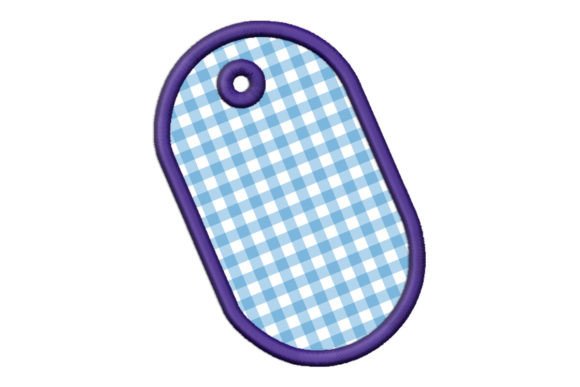
The Price Tag embroidery design is a subtle yet impactful motif that immediately evokes a sense of vintage charm and practicality. Its clean lines and minimalistic structure mimic the look of a classic price tag with just enough detail to feel authentic without becoming overwhelming. The visual personality is understated, which makes it adaptable across a range of embroidery projects.A Natural Fit for Custom Apparel and Accessories
I recently tested the Price Tag design on a custom embroidered tote bag for a boutique client. The idea was to personalize each bag with the customer's name or a short phrase, using the price tag as a label-like element. After stitching, the result was charming: the text felt intentional and the tag added a whimsical, handmade flair. This kind of use case highlights the design’s versatility. Whether it’s stitched on a sweatshirt as part of a branding strategy, or used to label baby clothes with a child’s name, the Price Tag adds a layer of creativity and functionality. It works particularly well in sweatshirt embroidery, where the texture of the fabric can give the stitches a slightly raised, dimensional look that complements the cozy vibe of the piece.Real-World Performance and Application
When evaluating this design for real project use, I considered how it might perform across various materials and applications. On cotton blends, the machine embroidery design looked crisp and well-defined. On linen, it maintained its shape and clarity, though some stitch areas required extra stabilizer to prevent puckering. One of the standout qualities of the Price Tag is how it integrates into both handmade products and more commercial embroidery projects. As an Etsy seller myself, I see the potential for using this design in personalized gifts such as holiday ornaments or embroidered kitchen towels. In these cases, the tag can hold names, dates, or short messages—making it ideal for personalized gifts and small shop merchandise. For those working in commercial embroidery, the Price Tag could be used to brand custom aprons for restaurants or retail staff uniforms. Its structured form gives a professional edge while still feeling approachable. It also fits nicely into printable mockups for digital product previews, helping sellers showcase their design assets with a realistic touch.Where to Use with Care
Despite its strengths, there are a few scenarios where the Price Tag embroidery file should be approached with caution. For instance, if you're working with very small hoop sizes, the design may lose clarity, especially in the corners and along the edges. I recommend avoiding anything under 4 inches unless you’re prepared to scale down carefully and adjust the stitch count manually. Textured fabrics like denim or canvas require attention to stabilizer choices. I found that using a tear-away stabilizer underneath worked best, ensuring the stitches held their shape without pulling through. Thin or stretchy materials, on the other hand, may distort the design unless reinforced properly. Another consideration is color contrast. While the design doesn’t specify thread colors, choosing hues that stand out against the background fabric is essential. On dark textiles, white or light-colored threads will make the text legible and visually appealing. Always test your thread colors on a scrap piece before finalizing a project.Design Integrity Across Fabric Types and Uses
In one test, I applied the Price Tag design to a soft, stretchy t-shirt fabric. Without proper support, the satin-stitched border began to pucker slightly. But once I added a bit of cut-away stabilizer behind the design, the issue disappeared. This shows that while the design is flexible, success depends on thoughtful preparation. For embroidered patches, the Price Tag shines. Its compact size and defined borders make it easy to sew onto existing garments or accessories. I’ve used similar designs in patch collections and found they enhance the perceived value of the product, especially when paired with a handwritten-style font inside the tag.Visual Appeal and Branding Value
The Price Tag design contributes significantly to the visual appeal of a finished product. It offers a cohesive way to integrate text into a design, giving it a purposeful look rather than appearing slapped on. This elevates the presentation of custom apparel and personalized gifts, making them feel more thoughtfully crafted. From a branding perspective, the design supports consistency. Using it across different items—like aprons, pillow covers, or even nursery decor—helps reinforce a signature style. Customers begin to recognize the tag as a familiar feature, increasing trust and engagement with your craft business or digital product offerings.Designer Notes and Best Practices
Before using the Price Tag in production, always test the design on scrap fabric. This allows you to assess stitch density and how the design interacts with the material. You’ll also get a better idea of how it looks up close versus at a glance. If you plan to include tiny lettering within the tag, ensure that the font you choose is clear and large enough for readability. Dense stitch areas may cause the fabric to become stiff, so consider adjusting the stitch density for comfort, especially in items like baby clothes or frequently worn apparel. Also, keep in mind that the design’s effectiveness can vary depending on the hoop size and fabric type. Always check whether the embroidery file works well for both light and dark fabric backgrounds. Sometimes, what looks great in a preview doesn’t translate well in reality. For Etsy sellers and small business owners, remember to confirm licensing before selling finished products or digital embroidery files. Even though this design is labeled as versatile, it’s important to understand its legal boundaries to avoid issues later.Final Thoughts for Makers and Merchants
The Price Tag embroidery design isn’t just another decorative element—it’s a functional and stylish component that enhances product value and giftability. It bridges the gap between labeling and embellishment, offering a fresh way to present text on textiles. Whether you're a hobbyist looking to add a creative twist to your handmade items or a professional preparing commercial embroidery for a boutique line, the Price Tag is a solid choice. Just take the time to understand how it behaves in different contexts and adjust your process accordingly. With the right prep work and attention to detail, this design can become a staple in your embroidery project toolkit.
⬇️ Download Free
Free download · No sign-up required
🔗 You Might Also Like
Accessories
First Impressions and Market Appeal As an experienced embroidery designer, the f...

Freebies
As an embroidery designer with years of experience evaluating digital files for ...
Cities
As an experienced embroidery designer and product reviewer, I’ve seen my fair sh...
Freebies
First Impressions and Visual Personality As an embroidery designer with years of...
Forest
If you have ever stood behind a craft fair booth, sweating under the tent lights...
