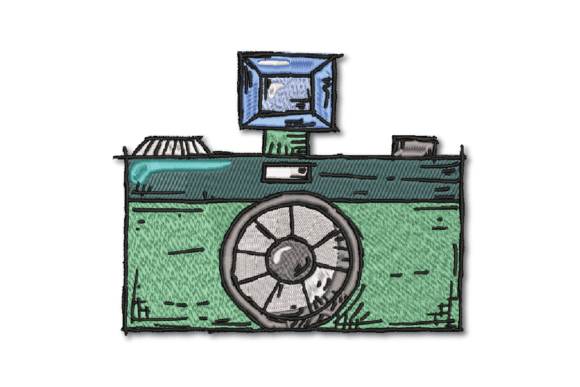
Vintage Camera Embroidery Design Review for Real Projects
As an embroidery designer with years of experience evaluating digital files for real-world use, I always look for a design that balances visual charm with practicality. The Vintage Camera embroidery design caught my eye not just for its nostalgic appeal but also for how it could enhance a variety of handmade products. Here's my take after putting it through the usual pre-stitching evaluation process.
First Impressions and Visual Personality
The moment I opened the file for Vintage Camera, I was drawn to its classic silhouette and intricate detailing. It’s a machine embroidery design that evokes the golden age of photography — think Polaroids, film reels, and analog charm. The layout is centered and symmetrical, which gives it a grounded feel, perfect for designs that need to be easily positioned on fabric.
What stands out most is the level of detail in the lens and the texture of the leather strap. These features add character without being overly complex, making it a great choice for both personal and commercial embroidery projects. The theme feels timeless, so it can blend well into modern or retro aesthetics alike.
Where This Design Shines
I imagined using this design on a custom sweatshirt as part of a boutique branding project. A vintage camera motif works especially well for creative professionals like photographers or artists who want a subtle nod to their craft. Similarly, I see it fitting nicely on tote bag designs for small shop product lines or personalized gifts such as anniversary or birthday presents.
- Tote bags: The design adds a stylish touch and looks great when placed near the top seam or centered for a bold statement.
- Sweatshirts: It complements heavier fabrics and has enough visual weight to stand out without overwhelming the garment.
- Baby clothes: While the design itself isn’t baby-themed, it could work for a parent’s gift or nursery decor, depending on the color palette used.
- Embroidered patches: With a bit of adjustment in stitch density, this design can be transformed into a high-quality applique design suitable for denim jackets or messenger bags.
Real-World Stitch Test Thoughts
After running a sample on scrap cotton, I noticed that the satin stitches along the edges of the camera body were smooth and consistent. The fill stitch inside the body had good coverage without being too tight, which means it should handle washing reasonably well if stitched properly. However, the fine details around the buttons and lens require close attention during placement and stitching to avoid distortion.
One thing I appreciated was how the design naturally suggests a direction — the way the camera is angled makes it easy to position correctly on the fabric. This helps maintain a professional appearance, especially for Etsy sellers and handmade shop owners looking to streamline their production workflow.
Design Performance Across Use Cases
The Vintage Camera design is versatile enough to work across multiple embroidery applications. Let’s break down how it might perform in different scenarios:
- Custom Apparel: Works well on t-shirts, hoodies, and sweaters. Its mid-sized format allows for flexibility in placement, and the visual clarity makes it suitable for front-facing logos or back-of-neck accents.
- Gift Items: Ideal for holiday gifts or personalized products. Imagine adding it to a pillow cover with a “Capture the Moment” message — it brings a thoughtful, handcrafted feel.
- Commercial Projects: As long as you confirm licensing, this design could serve as a brand icon for a photography-related business or a lifestyle brand targeting creatives.
- Digital Product Previews: If you’re selling digital embroidery files, include this in your printable mockups. It looks clean and professional, giving buyers a clear idea of what they’ll get.
Where Caution Is Needed
While the Vintage Camera is a strong contender for many projects, there are specific cases where care must be taken:
- Small hoop sizes: The design may lose some of its defining details if forced into a smaller space. Always check how it scales before finalizing.
- Textured or stretchy fabrics: The finer elements might not hold up well on knits or flannel unless you adjust stitch density and use proper stabilizer.
- Dark fabric backgrounds: Thread colors may not contrast well. Consider using white or cream threads for visibility or pairing it with light-colored textiles.
- Curved surfaces: When placing it on a cap or curved patch area, ensure the file is compatible with your machine’s ability to adjust tension on rounded seams.
- Frequent washing: Dense areas could cause puckering over time. A test run is essential, particularly for items like aprons or kitchen towels.
Visual Appeal and Customer Reactions
From a customer perspective, this design has instant visual appeal. The vintage aesthetic is popular among those who appreciate minimalist yet meaningful motifs. Whether embroidered on a cozy sweatshirt or a sleek tote bag, it adds a touch of sophistication and nostalgia.
But here’s the catch: the overall look depends heavily on thread colors and fabric choices. For example, using gold or silver threads on a navy blue sweatshirt could make it pop, while black thread on a dark fabric might render it invisible. That’s why I recommend testing it in black-and-white mockups before purchasing thread kits.
Impact on Product Value and Branding
In terms of product value, the Vintage Camera design elevates a basic item into something more memorable. It can justify a slight price increase for Etsy sellers and small shop product creators, especially when paired with quality materials and craftsmanship.
For branding, this design could serve as a recurring element in a line of handmade products. Think about using it on tags, packaging, or even as a signature motif on aprons and caps. It builds recognition and reinforces a cohesive brand identity.
Designer Notes for Optimal Use
Here are some practical tips based on my review and experience:
- Always test the design on scrap fabric first. Even minor alterations to the file can change the outcome significantly.
- Check thread color contrast against your intended fabric. Use a light background or highlight the design with contrasting hues.
- Review stitch density settings. On delicate fabrics, reducing density will prevent puckering and improve durability.
- Confirm hoop size requirements. Some embroidery machines have limitations, so scaling the design incorrectly can lead to misalignment or skipped stitches.
- Inspect small details like the lens and buttons. These may need manual tweaking or reinforcement depending on your machine and fabric type.
- Use a proper stabilizer for best results, especially if working with stretchy or thin materials.
- Test it on both light and dark fabric backgrounds to ensure visibility and consistency.
- Before selling finished products or digital embroidery files, double-check whether the design is appropriate for commercial embroidery and confirm any licensing agreements.
Final Thoughts for Makers and Sellers
The Vintage Camera embroidery design is more than just a pretty image — it’s a functional asset that can enhance the storytelling of your handmade product. Its balance between simplicity and elegance makes it adaptable for various uses, from custom apparel to decorative accents on home goods.
That said, don’t underestimate the importance of preparation. Every machine embroidery design behaves differently based on setup, and Vintage Camera is no exception. Taking the time to test it, tweak the settings, and understand how it interacts with different fabrics will save you time and money in the long run.
If you're an embroidery designer or a craft business owner looking for a reliable, stylish addition to your design assets, this one deserves a spot in your collection. Just remember to approach it with the same care and curiosity you’d bring to any other embroidery file.