Cute Leaf Embroidery Design Review
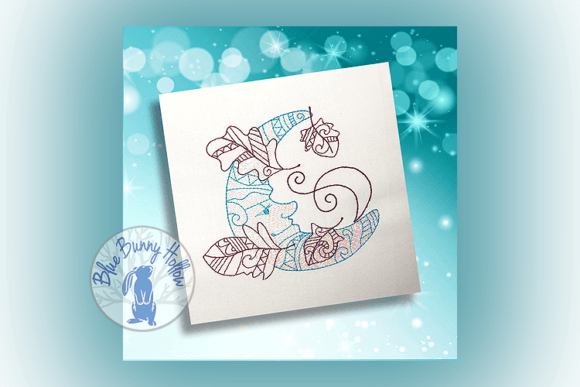
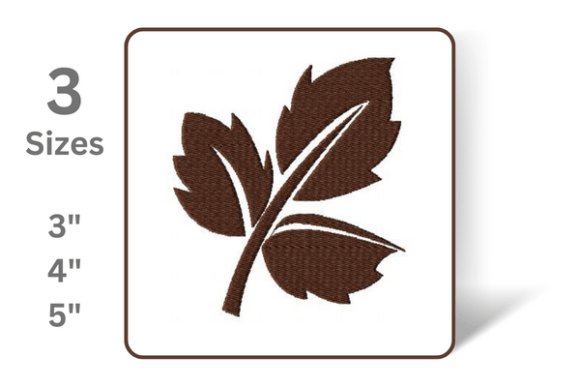
If you have ever stood behind a craft fair booth, sweating under the tent lights while trying to explain the value of your handmade goods to passersby, you know that first three seconds matter. As an embroidery designer who has produced hundreds of designs for weekend markets and online shops, I look at a new digital file and immediately ask: "Will this sell?" Today, we are reviewing the Cute Leaf design. Based on its title and description as a lovely flower embroidery suitable for pillows, towels, apparel, and home decor, this piece positions itself squarely in the realm of accessible, cheerful, and versatile handmade products.
This review is not just about aesthetics; it is about production viability and market appeal. We are looking at this from the perspective of an Etsy seller or boutique maker preparing inventory for a high-traffic event. Does Cute Leaf have the punch to stop traffic? Is it practical to stitch in bulk? Let’s break down the real-world application of this machine embroidery design.
First Impressions: The Visual Appeal of Cute Leaf
The title "Cute Leaf" combined with the description of a "lovely flower" suggests a design that leans towards soft, organic, and perhaps slightly rustic or farmhouse aesthetics. It does not sound aggressive or overly modern-minimalist. Instead, it feels inviting. In the world of handmade product photography and physical display, "cute" translates to approachable. Customers at craft fairs often gravitate toward items that feel warm and personal.
When you imagine this design embroidered on a cream-colored tea towel or a natural linen tote bag, the visual harmony is immediate. The term "colorful look" in the description hints that this design likely utilizes multiple thread colors. This is a significant advantage for a craft fair product. Monochrome embroidery can sometimes look flat in low-light indoor venues, but a design with varied thread colors catches the eye and reflects light, drawing customers into your booth. However, it also means you need to be strategic about your thread palette to ensure it matches the fabric texture and color you choose.
Product Versatility: Where Cute Leaf Shines
The beauty of a design like Cute Leaf is its adaptability. It is not tied to a single niche. Here is how it performs across key categories for small shop owners:
- Tote Bag Design Potential: A tote bag is the quintessential handmade product for craft fairs. Placing Cute Leaf as a central focal point on a canvas tote creates an instant statement piece. Alternatively, stitching it smaller near the handle or along the side seam adds a subtle, premium touch that appeals to buyers looking for understated elegance.
- Kitchen and Home Decor: The description explicitly mentions pillows and towels. This is where the design truly earns its keep. A set of matching kitchen towels featuring Cute Leaf makes for a fantastic gift set. Gift sets increase your average order value, which is crucial for profitability. The "forest" category association suggests these could be part of a coordinated collection, allowing you to cross-sell items.
- Apparel and Caps: While the description highlights home decor, the versatility extends to apparel. On a cap, the design must be scaled carefully to fit the curved surface without distortion. On an apron, it serves as a charming accent that elevates a basic utility item into a fashionable accessory. For an Etsy seller, offering both the home decor and apparel versions of the same design asset doubles your potential customer base.
- Embellished Patches and Pouches: If the design includes a clean edge or if you plan to add one, it works beautifully as an embroidered patch. These are lightweight, easy to ship, and popular among younger demographics who customize backpacks and denim jackets.
Production Practicality and Sales Strategy
As a designer, I judge a file by how easily it moves from screen to finished product. Cute Leaf appears to be designed for broad applicability, which usually implies a balanced stitch density. However, before you commit to a large batch run, consider the following production points.
Photography and Online Listings: For any digital embroidery file seller or physical goods creator, the mockup is king. Because Cute Leaf is described as colorful, it will photograph well against neutral backgrounds. When creating your printable mockup for social media or your shop, ensure the lighting highlights the texture of the stitches. Buyers cannot touch the fabric online, so the visual clarity of the thread work is your primary sales tool. A design that looks crisp in a photo builds trust in the quality of your finished product.
Batch Production Efficiency: If you are producing for a weekend market, time is money. A design that is too complex with tiny, dense details will slow down your hoop-to-hoop process. Conversely, a design that is too sparse may require excessive trimming and stabilizer removal. Cute Leaf seems to strike a middle ground, making it ideal for repetitive stitching. You can set up your hooping jigs once and produce ten tote bags or twelve tea towels in a focused session. This efficiency allows you to restock quickly during the event if an item sells out.
Careful Use Notes: Avoiding Common Pitfalls
Even a wonderful design can fail if the technical execution is overlooked. Here are critical checks for Cute Leaf:
- Stitch Density and Tiny Details: Examine the design file closely. Are there areas of extremely dense stitching? Dense areas can cause puckering, especially on lightweight fabrics like thin cotton or rayon. If the design has tiny leaves or fine lines, test them at their intended size. If you plan to reduce the size for a small pouch, ensure the details do not merge into a blurry blob. Clarity is key for a professional look.
- Fabric Texture Compatibility: The description mentions working with "any fabric," but reality is more nuanced. Textured towels, such as waffle weave or heavy terry cloth, can hide the definition of smaller elements. For the best results, use smooth fabrics like percale cotton, linen, or stable canvas. If you embroider on a textured surface, consider enlarging the design slightly to compensate for the fabric's nap.
- Thread Contrast and Color: Since the design is colorful, thread choice is paramount. Do not assume the default thread colors in the software will work. Test your chosen threads against your actual fabric swatch. Dark fabrics require lighter, brighter threads to make the design pop, while light fabrics allow for more muted, pastel tones. Poor contrast is the number one reason a design looks muddy and unsellable.
- Hoop Size and Stabilizer: Confirm the hoop size required by the design. If it exceeds standard hoops, you may need to rehoop or use a larger frame, which complicates production. Always use the appropriate stabilizer. For woven fabrics like those used in aprons and tote bags, cut-away stabilizer is often recommended to prevent distortion over time, especially for items that will be washed frequently, like towels.
Final Verdict: Is Cute Leaf Worth Adding to Your Inventory?
For the creative entrepreneur, Cute Leaf represents a low-risk, high-reward addition to your catalog. It fits seamlessly into the current trend of nature-inspired, cozy home goods. Its versatility allows you to create a cohesive brand story across different product types—from the kitchen to the closet.
Before you start mass-producing, remember to inspect the stitch density, check the thread colors on your specific fabric, and create at least one real mockup to evaluate the visual impact. Ensure you have the correct commercial licensing if you intend to sell the finished goods, as this protects your business and respects the artist's work.
Ultimately, Cute Leaf is more than just a pattern; it is a tool for building engagement. When a customer picks up a pillow or a tote bag featuring this design, they are buying into the warmth and care that goes into handmade items. By executing the technical details correctly, you transform a simple digital file into a memorable craft fair product that customers will cherish and recommend. Whether you are a seasoned pro or a new Etsy seller, this design offers the flexibility and charm needed to stand out in a crowded marketplace.