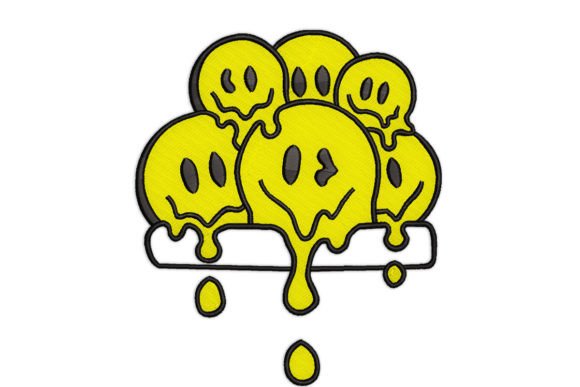
Smile Face Emoji Review
As an embroidery designer who has spent years translating digital graphics into tangible thread work, I approach every new file with a mix of creative excitement and commercial skepticism. When evaluating designs for small business merchandise, the goal is never just "pretty." The goal is profitability, durability, and brand alignment. Today, I am reviewing the Smile Face Emoji, a design described as a melting bunch of smiley faces. This piece sits at the intersection of modern internet culture and classic craftsmanship, offering unique opportunities for branded patches, apparel accents, and handmade product lines.
First Impressions: Personality and Visual Impact
The title alone suggests a playful, informal tone, but the description adds a layer of artistic flair: "melting bunch of smiley faces." In the world of machine embroidery, this implies a fluidity that challenges standard geometric stitching. My first impression is that this design feels modern, playful, and slightly rustic due to the implied texture of the "melting" effect. It avoids the sterile look of vector-based clipart by suggesting organic flow in the thread work.
For a small business owner, this visual personality is valuable. It communicates friendliness and approachability without sacrificing professional quality. Whether you are running a boutique bakery, a creative studio, or a pet brand, the Smile Face Emoji serves as a versatile emotional anchor. It is not merely decorative; it sets a mood. The design feels premium enough for high-end tote bags yet casual enough for staff uniforms in a relaxed café environment. It bridges the gap between handmade product authenticity and mass-market appeal.
Real-World Business Applications
The true test of any embroidery file is its performance across various mediums. Based on the description stating it is perfect for t-shirts, clothes, tote bags, pillowcases, framed art, and home decor items, here is how the Smile Face Emoji translates to actual revenue-generating products:
- Embroidered Patches: This design excels as a standalone patch. The "melting" aesthetic allows for clean edges that can be easily cut out and backed with hook-and-loop or iron-on adhesive. These patches are ideal for denim jackets, backpacks, and custom apparel where customers want to personalize their gear with your brand’s vibe.
- Staff Uniforms and Aprons: For hospitality businesses, the Smile Face Emoji works beautifully as a chest logo accent. It humanizes the brand. Imagine a barista wearing an apron with this subtle, cheerful mark. It signals warmth to the customer before they even order. It is also suitable for apron embroidery in craft workshops or cooking classes.
- Tote Bags and Market Merch: The description highlights tote bags, which remain a staple for small business merch. A melting emoji design on a canvas tote bag looks intentional and trendy. It appeals heavily to the demographic that shops at farmers' markets, art fairs, and local boutiques. This is a low-cost item with high perceived value when executed well.
- Caps and Headwear: While cap fronts can be tricky, the compact nature of a bunch of faces allows for a concentrated focal point. This works well for cap embroidery on beanies or structured caps for creative agencies or event teams.
- Home Decor and Framed Art: Beyond apparel, this design shines on pillowcases and framed art pieces. These items serve as excellent upsells. A customer buying a custom shirt might add a matching pillowcase to their cart, increasing your average order value. The design’s versatility makes it a strong asset for commercial embroidery catalogs.
Strategic Considerations and Limitations
No design is universal. As a designer, I must advise caution in specific applications to ensure the finished product meets professional standards. The "melting" aspect of the Smile Face Emoji requires careful execution to avoid looking messy or undefined.
First, consider stitch density. If the design relies on heavy satin stitches to define the melting edges, it may become stiff and uncomfortable on delicate fabrics. Conversely, if it uses too much fill stitch, it may lose detail at smaller sizes. You must evaluate how it performs on textured fabric. Rougher weaves can obscure the fine details of the melting effect, making the faces look blurry rather than artistic.
Second, think about scale. While the design is versatile, it should be used carefully on very small patches or curved surfaces like the sides of baseball caps. On tiny lettering or minute details, the "melting" theme might collapse into a single blob. Ensure the design retains its character when scaled down. Additionally, for items that require frequent washing, such as work shirts or kitchen aprons, verify that the thread colors chosen will withstand abrasion and detergent without fading or fraying. Dark uniforms may require a backing stabilizer to prevent show-through, especially if the design includes light-colored threads.
Impact on Brand Identity and Trust
Choosing the right design assets directly influences brand identity. The Smile Face Emoji projects trust and recognition through positivity. In a crowded market, a consistent visual language helps customers remember you. When a buyer sees this design repeatedly on your branded product labels, packaging accents, and customer gifts, it builds familiarity. It tells the customer that your brand is fun, accessible, and detail-oriented. This perception of professionalism enhances buyer engagement and encourages repeat purchases. It transforms a simple commodity into a lifestyle accessory.
Practical Designer Notes for Production
Before committing this digital embroidery file to production runs, follow these essential steps to protect your investment and reputation:
- Test in Black and White: Convert the design to monochrome to check contrast and spacing. This ensures the core shapes hold up regardless of color choices.
- Check Small Patch Size: Stitch a sample at the smallest intended size. Verify that the individual faces remain distinct and the melting effect does not bleed into illegibility.
- Review Thread Color Contrast: Select thread colors that pop against your target fabric. Light threads on dark fabric often require underlay stitches to prevent the fabric from showing through.
- Inspect Spacing and Hoop Size: Confirm the hoop size required fits your production capabilities. Ensure there is adequate spacing between elements so they do not touch during stitching.
- Test on Real Fabric: Never assume a design works on all materials. Test on the exact fabric texture you plan to sell, using proper stabilizer to support the stitches.
- Create a Printable Mockup: Use a printable mockup to visualize the design on final products before cutting fabric. This helps in client approval processes and marketing materials.
- Compare Beside Other Assets: Place the Smile Face Emoji next to your other design assets to ensure visual consistency across your entire collection.
- Confirm Commercial Licensing: Most importantly, verify the commercial licensing terms. Ensure you have the legal right to use this machine embroidery design on goods you intend to sell. Do not proceed until this is clear.
In conclusion, the Smile Face Emoji is a dynamic addition to any embroiderer’s library. Its blend of modern aesthetics and traditional craft makes it suitable for a wide range of small business merch opportunities. By paying attention to technical details and strategic placement, you can turn this playful design into a powerful tool for brand growth and customer connection.