Kids Tricycle Embroidery Design Review
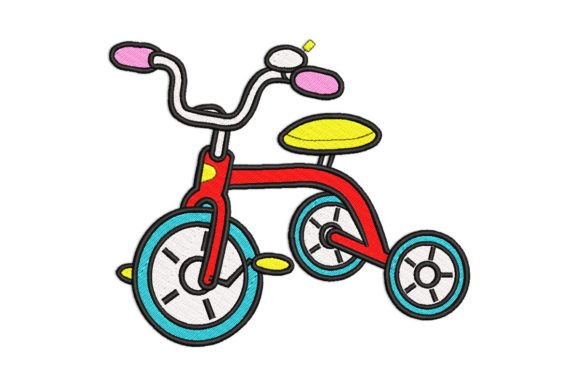
Setting up for a weekend craft fair is equal parts excitement and anxiety. You spend weeks perfecting your booth display, pressing your linens, and arranging your handmade products to tell a story. As an embroidery designer who has sold thousands of pieces at local markets and online, I know that the difference between a item that sits on the shelf and one that flies off the table often comes down to a single design choice. Today, I am reviewing Kids Tricycle, a digital design file created for machine embroidery that features an adorable and whimsical representation of a children’s tricycle.
This review is for the serious craft fair seller, the Etsy shop owner, and the boutique maker who needs designs that not only look good in a photo but hold up under real-world scrutiny. We will look at how this design performs as a standalone piece, how it translates across various product types, and what practical considerations you must keep in mind before committing to bulk production.
First Impressions: Whimsy Meets Marketability
When I first pulled up the preview for Kids Tricycle, my immediate reaction was one of warmth. The title suggests a nostalgic, playful vibe, and the description confirms it with words like "adorable" and "whimsical." In the world of handmade goods, nostalgia is a powerful selling tool. Parents and grandparents are constantly looking for items that evoke childhood memories, and a classic tricycle is a universal symbol of early freedom and fun.
The aesthetic feels soft and decorative rather than bold or modern. This is crucial for your target audience. If you are targeting the "farmhouse chic" or "rustic nursery" demographic, this design fits perfectly. It does not scream for attention like a graphic tee print; instead, it invites a closer look. For a craft fair product, this subtlety is an advantage. It allows the quality of the stitching and the texture of the fabric to shine through without overwhelming the viewer.
However, "whimsical" can sometimes mean "fussy." As a designer, my first job is to assess clarity. Does the design have enough definition to be recognized instantly? A tricycle has distinct wheels, handlebars, and a seat. If these elements are rendered with too much delicate detail, they may blur together when stitched onto a curved surface like a cap or a small pouch. Based on typical whimsical styles, I anticipate this design relies on clean lines and perhaps some satin stitch outlines to define the shape, which is generally safe for most hoop sizes.
Product Versatility: Where Kids Tricycle Shines
One of the biggest mistakes new sellers make is limiting their product line to just one item type. A great embroidery file should be versatile. Here is how I see Kids Tricycle performing across different categories:
- Tote Bags and Market Bags: This is likely the strongest application. A canvas tote bag provides a large, flat surface area. Placing the tricycle centrally or slightly off-center allows the design to breathe. It works beautifully as a focal point for a "Mommy and Me" matching set, pairing well with simpler text designs. The contrast of sturdy canvas against smooth thread gives a premium feel.
- Aprons and Tea Towels: For the kitchen or baking enthusiast, this design adds a touch of personality. On a white or light-colored tea towel, the thread colors will pop. However, be mindful of fabric texture. Highly textured flour sack towels can distort fine details. Test this on your specific inventory before mass-producing.
- Caps and Beanies: Curved surfaces are tricky. If the design is too wide, it will warp around the curve of a baseball cap. Check the hoop size requirements carefully. If it fits within a standard 4x4 or 5x7 hoop, it is manageable. For beanies, the stretch of the knit fabric requires a stable stabilizer to prevent puckering.
- Embellished Patches: Adding a border to this design could turn it into a detachable patch. These are huge sellers right now. Customers love adding personality to backpacks, denim jackets, and laptop sleeves. A clean, embroidered border helps frame the whimsical nature of the tricycle.
- Pillow Covers and Nursery Decor: This is where the emotional connection hits hardest. A pillow cover featuring Kids Tricycle is a natural gift for baby showers or birthdays. The softness of the embroidery complements the comfort aspect of home decor.
Practical Selling and Production Points
As you prepare your booth display, consider how this design photographs. Whimsical designs tend to photograph well in natural light, especially when paired with neutral backgrounds. Avoid cluttering your shot. Let the stitch density and color variations speak for themselves.
For batch production, repeatability is key. Is this design easy to digitize consistently? Most modern files are reliable, but always run a test stitch. Look for any areas where the thread might bunch up or where the fabric might show through if the stitch count is too low. A high-quality commercial embroidery product should feel smooth to the touch, not stiff or lumpy.
Consider the "Booth Display Strength." When customers walk by, do they stop? A row of aprons with this design creates visual rhythm. If you use the same design on different products (e.g., a tote and a matching tea towel), you create a cohesive brand story. This consistency builds trust and encourages impulse buys.
Crucial Designer Notes and Careful Use
Before you start printing labels or listing on Etsy, there are technical realities you must address. Even the best design can fail if executed poorly.
- Test on Scrap Fabric: Never assume a design looks good on paper. Stitch it out on the exact fabric you plan to sell. Dark fabrics require different thread choices than light ones. A pastel tricycle might disappear on a navy blue bag unless you use a bright underlay or contrasting top thread.
- Check Stitch Density: High-density areas can cause needle breakage or thread snapping, especially on thick fabrics like denim or heavy canvas. If the design has large solid blocks of fill, ensure your machine is calibrated correctly.
- Stabilizer Selection: This is non-negotiable. For woven fabrics like cotton tea towels, cut-away stabilizer is often best for durability. For knits like caps or t-shirts, tear-away or wash-away stabilizers might be appropriate depending on the desired finish. Using the wrong stabilizer leads to puckering, which screams "cheap."
- Small Details and Tiny Lettering: If the design includes text, ensure it is legible at the intended size. Small fonts can become illegible blobs after washing. If the tricycle has tiny spokes or intricate patterns, verify that these details remain distinct after laundering.
- Commercial Licensing: Before you sell finished products, you must confirm the commercial license terms of the digital embroidery file. Some designers allow unlimited sales, while others restrict the number of items or require a separate commercial license. Ignoring this can lead to legal issues and loss of income.
Final Verdict
Kids Tricycle is a strong contender for any seller targeting the family, nursery, or gift market. Its whimsical charm aligns perfectly with current trends in handmade goods. It is versatile enough to work on totes, apparel, and home decor, provided you pay attention to fabric choice and stabilization.
For the Etsy seller or small shop product creator, this design offers a balance of emotional appeal and production feasibility. Create at least one real mockup. Photograph it in a lifestyle setting—a tricycle on a stroller, or a tote bag next to a child’s shoe. Show your customers the joy this design brings. With careful execution and proper licensing, Kids Tricycle can be a standout item in your craft fair lineup and a steady earner in your online store.
Remember, the success of your handmade product lies not just in the design itself, but in the quality of its presentation. Take the time to test, refine, and showcase your work. Your customers will notice the difference, and they will reward you with their loyalty.