Review: Minimalist Branch Embroidery Design
As an embroidery designer who spends hours digitizing and testing files for commercial clients, I am always looking for designs that balance aesthetic simplicity with technical reliability. When I came across the Minimalist Branch design on Creative Fabrica, my first thought was not just about how it looks in a preview window, but how it will perform when stitched onto a real customer’s order. In the world of handmade products, from Etsy listings to boutique merchandise, the difference between a good design and a great one often lies in the details.
This review is based on evaluating Minimalist Branch as a potential asset for real-world projects. Whether you are a digital product seller, an apparel decorator, or a crafter looking to add value to your handmade product line, understanding the practical application of a file is crucial. Below is my honest assessment of how this machine embroidery design fits into various workflows.
First Impressions and Visual Mood
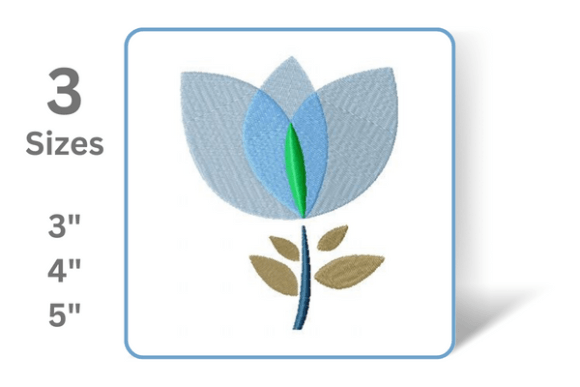
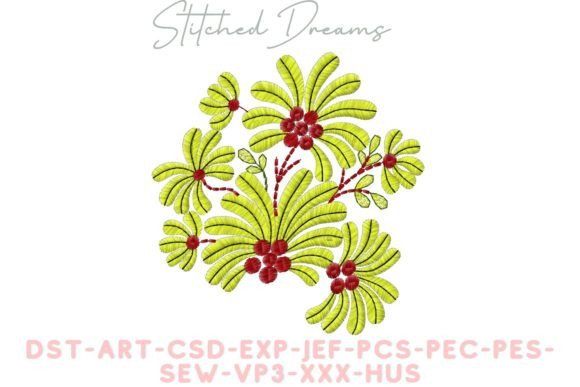
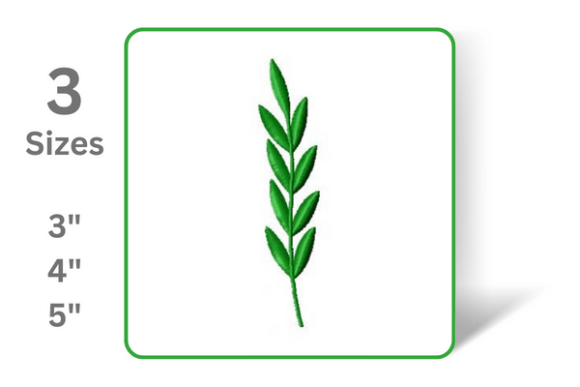
The name Minimalist Branch suggests a clean, uncluttered aesthetic, and visually, it delivers exactly that. The design features a lovely flower motif that feels organic yet structured. It does not scream for attention with excessive detail; instead, it offers a sophisticated visual mood that pairs well with modern branding. For designers focused on brand consistency, this is a huge plus. A design that is too busy can clash with intricate packaging or specific fabric patterns, but Minimalist Branch has enough breathing room to complement rather than compete.
The decorative appeal of this embroidery file lies in its versatility. It feels like a natural fit for categories such as Single Flowers within the broader Embroidery category, but its utility extends far beyond simple floral arrangements. The stitch personality appears balanced, likely utilizing a mix of satin stitches for outlines and fill stitches for the petals, which gives it a tactile quality that flat prints cannot replicate. This texture is what elevates a product from cheap to premium in the eyes of the buyer.
Real-World Application and Project Fit
I evaluated Minimalist Branch with several specific project types in mind. Here is where I see it shining:
- Apparel and Sweatshirts: The design scales beautifully. On a crewneck sweatshirt, it provides a focal point without overwhelming the garment. It works particularly well as chest-area embroidery, adding a touch of elegance to casual wear.
- Tote Bags and Canvas: A tote bag design needs to be durable and visible. The minimalist nature of this branch ensures that the embroidery remains legible even after repeated use. It adds a colorful look to neutral canvas materials.
- Home Decor and Textiles: This is perhaps the strongest use case. Imagine this embroidered on a linen pillow cover, a soft baby blanket, or a high-quality kitchen towel. The design brings a fresh, airy feel to home decor items. It is perfect for nursery decor, where gentle aesthetics are preferred.
- Personalized Gifts: As a personalized gift, this design offers a blank canvas for customization. Adding a name or date around the branch creates a thoughtful, bespoke item that customers love for weddings, baby showers, or holidays.
For those selling on Etsy or at craft fairs, having a versatile design asset like this allows you to create multiple product variations using a single file. You can offer the same embroidery on different fabrics—denim for a cap, cotton for an apron, fleece for a baby item—maximizing your efficiency.
Commercial Viability and Product Value
From a business perspective, Minimalist Branch enhances perceived value. Handmade presentation matters immensely. A clean, well-executed embroidery job signals quality craftsmanship. When customers see a finished product with precise stitching and no puckering, their trust in your brand increases. This design supports that goal by being relatively straightforward, which reduces the risk of technical errors during production.
Furthermore, this design is excellent for printable mockups. If you sell digital assets or offer custom services, having a high-quality representation of how this branch looks on various backgrounds helps buyers visualize the final result. It contributes to better product photography and higher conversion rates because the visual appeal is immediate and clear.
Technical Considerations and Practical Use
While the visual appeal is strong, any experienced designer knows that the devil is in the details. Here are some practical notes to consider before integrating Minimalist Branch into your production workflow.
Stitch Density and Hoop Size
You must check the stitch density of the file. While the design is minimalist, if the fill areas are too dense, it could cause issues on lighter fabrics or lead to thread breaks. Conversely, if the density is too low, the fabric might show through, especially on dark fabrics. Always test the design to ensure the thread colors provide enough contrast against your chosen material. For instance, white thread on a white pillow might get lost, whereas gold or pastel threads could pop beautifully.
Confirm the hoop size required for this design. If you are working on small items like caps or patches, ensure the design dimensions fit comfortably within your machine’s hoop without needing awkward re-hooping. For curved surfaces like caps, the design should be placed carefully to account for the curvature, ensuring the branch does not distort unnaturally.
Fabric and Stabilizer Compatibility
The description mentions that this design works on "any fabric," but experience dictates otherwise. On stretchy fabrics like jersey knit for t-shirts, you will need a proper stabilizer to prevent shifting and distortion. Cut-away stabilizers are generally recommended for knits, while tear-away may suffice for woven cottons used in tote bags or aprons.
When working with textured fabrics, such as heavy towels or chenille, inspect the small details after stitching. Sometimes, the texture of the base fabric can obscure fine lines in the embroidery. Testing on scrap fabric is non-negotiable. It saves time and prevents costly mistakes on customer orders.
Digital File Details and Licensing
Before using this file for commercial embroidery, it is vital to review the specific licensing terms on the Creative Fabrica product page. Ensure you have the right to sell finished goods made with this design. Different licenses apply to digital downloads versus physical sales. Also, verify the file formats provided. Having multiple formats (such as PES, DST, JEF) ensures compatibility with various embroidery machines, broadening your market reach.
Final Verdict
Minimalist Branch is a solid addition to any embroidery designer’s library. It strikes a balance between artistic charm and technical feasibility. Its adaptability makes it suitable for a wide range of applications, from custom apparel to delicate baby items. By paying attention to stitch density, fabric choice, and proper stabilization, you can leverage this design to create high-quality, desirable products that resonate with buyers.
For those looking to expand their catalog with timeless, elegant motifs, this design is worth downloading. Just remember to always test before you commit to a full production run. Happy stitching!