Blooming Garden Embroidery Review
As a designer who spends more time looking at stitch density charts than actual flowers, I approach every new digital asset with a healthy dose of skepticism. We have all seen the glossy mockups that promise perfection but result in tangled threads and muddy colors on the hoop. This is where Blooming Garden enters the conversation. It is categorized under Single Flowers, which often implies a simple, standalone motif, but my initial assessment suggests it carries more visual weight and complexity than the category title might suggest.
I did not review this file just to see if it stitches; I reviewed it to see if it sells. For those of us running small shops, managing Etsy listings, or creating custom apparel for clients, the difference between a design that looks "nice" and one that commands a higher price point is clarity, balance, and execution potential. Here is my practical breakdown of how Blooming Garden performs when moved from the screen to the fabric.
First Impressions and Visual Personality
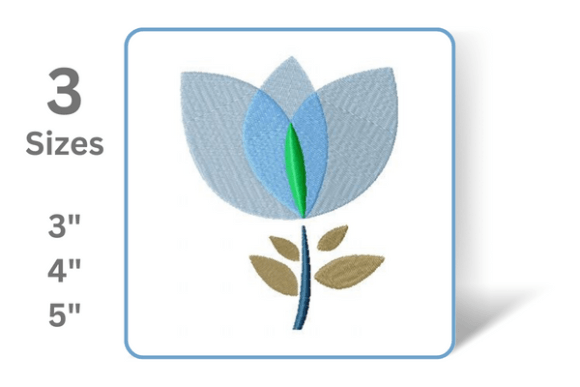
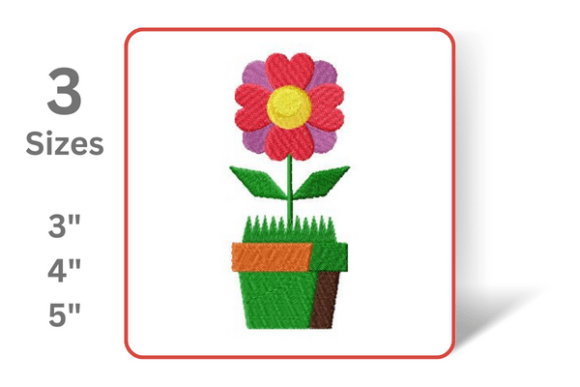
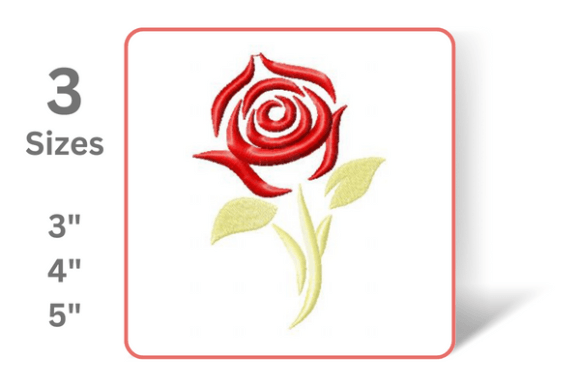
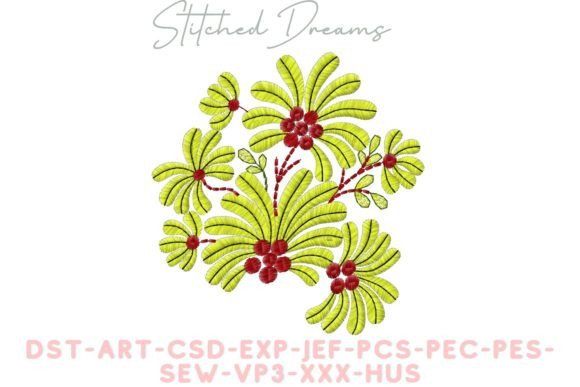
The moment you open the file, the mood is immediately established. This is not a minimalist line-art flower meant for subtle branding. Blooming Garden is lush. It captures the essence of a garden in full swing, featuring an array of vibrant flowers that feel intricately woven into the composition. The layout has a natural asymmetry that works beautifully for organic shapes like tote bags or curved surfaces on caps, rather than rigid, boxy placements.
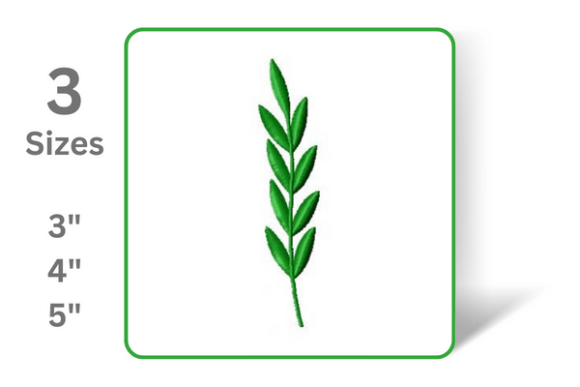
What stands out most is the detail level. The petals are not just filled blocks of color; they have internal structure that suggests depth. For an embroidery designer, this is crucial. It means the design relies on a mix of satin stitch for outlines and definition, and fill stitch for volume. There are also hints of running stitch used for texture, likely in the leaves or stems, which adds a handcrafted feel that machine-made products often lack. This blend gives the design a sophisticated personality that appeals to buyers looking for something artisanal yet polished.
Real-World Application: From Screen to Stitch
The true test of any machine embroidery design is its versatility across different product types. I ran mental simulations for several common handmade product categories to see where Blooming Garden would shine.
- Tote Bags and Canvas Totes: This is perhaps the strongest use case. A large floral burst on the front panel of a canvas tote bag is a classic bestseller. The design’s size and detail hold up well against the heavy texture of canvas, ensuring the thread colors pop without getting lost in the weave.
- Sweatshirt Embroidery: For cozy fall collections, placing this design off-center on a crewneck sweatshirt creates a boutique look. The density of the flowers provides enough coverage to feel substantial against the thick cotton fleece, avoiding that cheap, sparse appearance.
- Baby Embroidery and Nursery Decor: While vibrant, the softness of the floral arrangement makes it suitable for baby items. However, caution is advised regarding scale. On a onesie or burp cloth, the design needs to be scaled down carefully so it does not overwhelm the garment. It works exceptionally well for pillow covers or wall hangings in a nursery setting.
- Embroidered Patches: If the design includes a clean border or can be easily bordered, it translates well to iron-on patches. These are high-margin items for craft businesses, and the intricate nature of Blooming Garden makes for a premium-looking patch.
For Etsy sellers and small shop owners, this design offers excellent flexibility. It can be marketed as a personalized gift for weddings, anniversaries, or Mother’s Day. The romantic theme resonates strongly with these occasions, allowing you to pair it with elegant script fonts for names or dates, provided the font placement does not compete with the floral details.
Where to Exercise Caution
No design is perfect for every scenario. As an experienced reviewer, I must highlight where Blooming Garden might present challenges. Understanding these limitations will save you from ruined garments and negative reviews.
- Small Hoop Sizes: Do not attempt to shrink this design too far. The intricate details in the flower centers may become indistinguishable or cause thread breaks if the hoop size is too small. Always check the minimum recommended dimensions in the file documentation.
- Textured and Stretchy Fabrics: While canvas is forgiving, thin jersey knits or highly textured bouclé fabrics can distort the shape of the flowers. On stretchy materials, the stabilizer choice becomes critical. Without proper backing, the tension of the fill stitch can pucker the fabric, ruining the silhouette.
- Dense Stitch Areas: If the design uses heavy fill stitches in close proximity, it can create a stiff area on the garment. This is less ideal for items that need to remain soft and drapey, such as lightweight summer dresses or delicate scarves. It is better suited for structured items like aprons, hats, or home decor.
- Dark Fabric Contrast: When embroidering on dark backgrounds, ensure your thread colors have sufficient contrast. Light pastel flowers on black fabric can sometimes look muddy depending on the sheen of the thread. Always test color combinations before committing to a production run.
Practical Designer Notes for Execution
To get the most out of this embroidery file, follow these practical steps during your setup process.
First, always test the design on scrap fabric first. This is non-negotiable. Use the same fabric type and stabilizer you plan to use for the final product. Check the stitch density by eye—does it look too packed? Are there gaps? Adjusting the scaling slightly (usually no more than 5-10%) can often resolve minor tension issues.
Second, inspect the small details. Zoom in on the digital preview to identify any tiny elements that might be prone to breaking. If you notice fine lines that seem fragile, consider using a stronger thread weight or adjusting the machine tension.
Third, think about your brand consistency. If you are building a craft business around a specific aesthetic, does Blooming Garden fit? Its vibrant, detailed nature suits brands focused on bold, artistic, or rustic-chic styles. It may clash with ultra-minimalist or monochrome branding.
Finally, confirm licensing. Before selling finished items or using this as part of a digital product bundle, verify the commercial license terms. Some designers allow unlimited sales of physical goods made from their files, while others restrict the number of units or require attribution. Protect your commercial embroidery business by staying compliant.
Final Verdict
Blooming Garden is a robust, visually appealing design that delivers on its promise of capturing a lush, floral aesthetic. It is not a basic clipart replacement; it is a designed asset with character. For apparel decorators, home decor makers, and creative entrepreneurs, it offers a reliable way to add value to products like tote bags, sweatshirts, and gifts.
It requires thoughtful execution—proper stabilizers, correct scaling, and careful thread selection—but the payoff is a finished product that looks professional and desirable. If you are looking to expand your catalog with high-quality floral motifs, this design earns a strong recommendation. Just remember: the design is only as good as the stitching behind it. Take your time, test thoroughly, and let the quality of your work speak for itself.