Girl Dad Embroidery Design Review for Merch
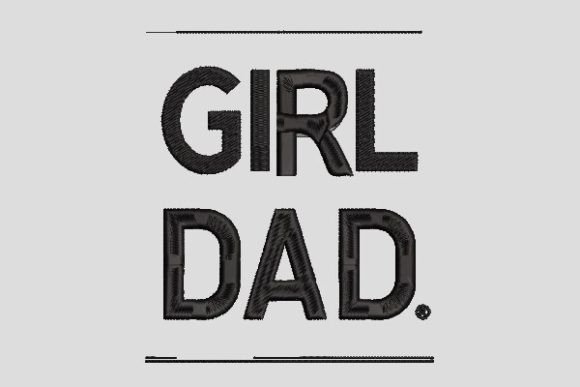
As an embroidery designer who has spent years turning digital concepts into tangible branded assets, I approach every new design file with a critical eye. It is not just about whether the design looks good on a screen; it is about how it translates to thread, fabric, and ultimately, customer perception. Today, I am reviewing the Girl Dad machine embroidery design. This piece is marketed as a heartwarming tribute to the bond between fathers and daughters, intended for stitching onto cloth. For small business owners, Etsy sellers, and apparel decorators, understanding the commercial viability of such a sentimental design is crucial.
First Impressions: Personality and Professionalism
The title "Girl Dad" carries immediate cultural weight. It suggests a modern, affectionate, and slightly playful brand voice. When I first analyzed the description—celebrating the special bond and honoring the loving relationship—I anticipated a design that balances warmth with clarity. In the world of embroidered patch creation and custom apparel, emotional resonance drives sales, but visual clarity drives professionalism.
This design feels friendly yet bold enough to stand alone as a logo accent. It avoids being overly decorative or cluttered, which is a common pitfall in family-themed designs. Instead, it leans toward a classic, handmade aesthetic that appeals to both traditionalists and those seeking a modern touch. The personality here is supportive and proud, making it an excellent candidate for brands that want to project authenticity and care. Whether used by a local bakery, a boutique clothing line, or a creative studio, the Girl Dad motif signals inclusivity and family values without feeling cliché.
Real-World Business Applications
The true test of any digital embroidery file is its versatility across different product categories. Here is how this design performs in real business scenarios:
- Branded Patches: This design excels as an embroidered patch. It can be applied to denim jackets, leather bags, or canvas totes to create a premium, tactile experience for customers. The sentiment works well as a standalone mark on a backpack or a limited-edition merch drop.
- Staff Uniforms and Aprons: For small cafes, florists, or pet brands, adding this to staff aprons or work shirts humanizes the brand. It shows that the people behind the business value family, which builds instant rapport with customers. Apron embroidery of this nature adds a layer of trust and relatability.
- Caps and Headwear: A cap embroidery application is perhaps the most visible use case. Placing this on the front of a baseball cap or a structured bucket hat creates a strong visual identity. It is ideal for corporate gifts, event merch, or team building activities where family-friendly vibes are desired.
- Tote Bags and Packaging: As a tote bag design, it serves as a walking advertisement. Customers love carrying bags that reflect their personal identities. Additionally, using this as a small detail on product packaging accents or hang tags elevates the perceived value of the finished product.
- Etsy Branding and Digital Assets: For digital creators, this design can be part of a larger bundle of design assets. It fits perfectly into collections focused on Father’s Day, baby showers, or family-oriented holidays. Creating a printable mockup of this design helps sellers visualize the final output before production.
Strategic Placement and Cautionary Areas
While the design is versatile, there are specific areas where it requires careful handling to maintain quality and brand integrity.
Small Patch Sizes: If you intend to produce very small patches (under 2 inches), you must evaluate the legibility of any text involved. Fine details may get lost in the stitching process. Always scale down your embroidery file in software to check for potential merging of stitches.
Curved Surfaces: When applying this to cap embroidery or curved tote handles, the distortion of the fabric can affect the alignment. Use a rigid backing or proper stabilizer to keep the design flat and readable.
High Stitch Density: Designs with high stitch density can become stiff and uncomfortable, especially on lightweight fabrics. If this design uses heavy fill stitches, it may not be suitable for delicate materials like silk or thin jersey. Test on similar fabric types to ensure the hand-feel remains soft.
Detailed Outlines and Tiny Lettering: If the design includes intricate borders or small text, ensure the resolution is sufficient. On dark uniforms or textured fabrics, low contrast can make details disappear. Always review thread color contrast against the base material.
Frequent Washing: For items like aprons or work shirts that undergo frequent laundering, ensure the design is stitched securely. Loose threads or poor stabilization can lead to fraying over time, damaging the brand identity through wear and tear.
Impact on Brand Identity and Customer Trust
Incorporating a Girl Dad design into your merchandise does more than just decorate an item; it communicates values. It enhances brand identity by aligning your business with themes of love, protection, and familial pride. This emotional connection fosters customer trust and recognition, as buyers feel a personal connection to the message.
Furthermore, it boosts product value. A thoughtfully designed handmade product feels more curated and intentional than a generic item. It encourages buyer engagement because customers are likely to share their purchases on social media, providing organic marketing for your small business. Visual consistency is key; ensure this design complements your other design assets so that your entire collection feels cohesive.
Practical Notes from the Embroidery Designer
Before committing to mass production or listing these items for sale, follow these essential steps:
- Test in Black and White: Convert the design to monochrome to check the balance of negative space and stitch coverage. This reveals structural weaknesses that color might hide.
- Check Small Size Legibility: Zoom out or print a small version to ensure all elements remain distinct at the actual production size.
- Review Thread Color Contrast: Select thread colors that pop against your chosen fabric. Dark fabrics often require light, bright threads, while light fabrics benefit from darker, richer hues.
- Inspect Spacing: Ensure there is adequate space between stitches to prevent puckering and allow for proper needle penetration.
- Confirm Hoop Size: Verify that the design fits within your standard hoop sizes. Oversized designs may require multi-hoop digitizing, which increases production time and cost.
- Test on Real Fabric: Never skip the physical test run. Different fabrics react differently to tension and stabilizers. Cotton behaves differently than polyester blends.
- Use Proper Stabilizer: Choose the right stabilizer (cut-away, tear-away, or water-soluble) based on the fabric type to prevent distortion.
- Create a Mockup: Develop a high-quality printable mockup for client approval or online listings. This helps manage expectations regarding the final look.
- Compare Side-by-Side: Place this design next to other pieces in your catalog to ensure visual harmony and consistent quality standards.
- Confirm Commercial Licensing: Most importantly, verify that you have the rights to sell products made from this machine embroidery design. Check the license terms explicitly to avoid legal issues.
By carefully evaluating the Girl Dad design through these practical lenses, you can ensure that your commercial embroidery projects are not only visually appealing but also durable, professional, and legally sound. This approach protects your reputation and ensures that every finished product reflects the high standards your customers expect.