Wine Tasting 8 Embroidery Review
As a designer who spends half my life staring at stitch charts and the other half worrying about whether a client’s custom tote will actually hold up in the wash, I approach every new embroidery file with a healthy dose of skepticism. We’ve all been there: you download a design that looks stunning in the digital preview, only to find it becomes a tangled mess of thread on actual fabric. That is why I treat every review as a stress test before committing it to a real project.
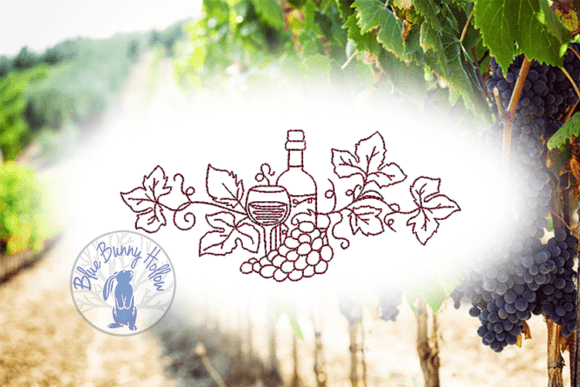
Today, I am putting Wine Tasting 8 through its paces. This machine embroidery design promises an "exquisite linework" aesthetic centered around wine culture. It features a stemmed glass and lush grapevines. But does it translate from screen to hoop? Can it survive the rigors of commercial production for an Etsy shop or a craft fair booth? Let’s break down the practical reality of using this design.
The First Impression: Mood and Visual Personality
When I first opened the digitized preview of Wine Tasting 8, what struck me immediately was the balance between elegance and approachability. In the world of handmade products, there is a fine line between looking sophisticated and looking cluttered. This design leans into a delicate, illustrative style. The linework suggests a use of running stitches or fine satin outlines rather than heavy, blocky fills.
This isn’t a bold, shouting graphic meant for a gym tank top. Instead, Wine Tasting 8 feels like it belongs in a space that values quiet luxury and artisanal charm. The mood is relaxed yet refined. It captures the essence of a slow afternoon tasting without being overly literal. For designers looking to create personalized gifts or boutique branding, this visual personality is gold. It doesn’t scream; it whispers, which often makes it more memorable to customers scrolling through their feeds.
Real-World Application: Where Does It Fit?
I always ask myself: if I were building a product line today, where would this go? Based on the layout and detail level of Wine Tasting 8, here is how I see it performing in actual production scenarios.
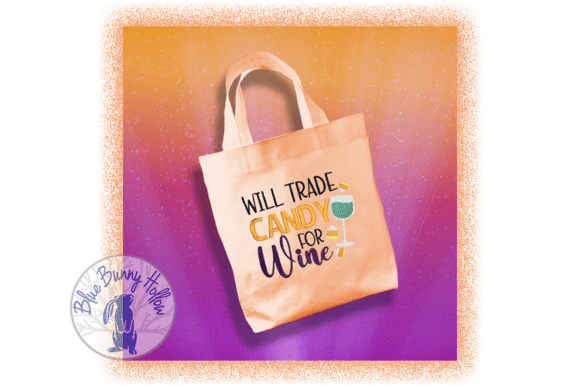
- Tote Bags and Market Bags: This is perhaps the strongest use case. A high-quality canvas tote embroidered with the grapevine motif of Wine Tasting 8 feels incredibly cohesive. The natural fibers of cotton or jute complement the organic theme of the grapes. It works beautifully as a tote bag design for wine enthusiasts or as a general lifestyle accessory.
- Kitchen Linens and Aprons: There is a rustic warmth to this design that translates well to tea towels, kitchen aprons, and table runners. If you are targeting home decor shoppers, placing this near the hem of an apron or centered on a flour sack towel adds a touch of personality. It elevates a basic utility item into a handmade product people want to display.
- Baby and Nursery Items: Surprisingly, this design could work well for gender-neutral baby gifts. The soft curves of the glass and vines can be scaled down for a onesie or a burp cloth. However, you must be careful with scale. On a small item, the linework needs to remain crisp so it doesn’t look muddy.
- Apparel and Sweatshirts: For sweatshirt embroidery, this design offers a nice alternative to the typical oversized front print. Placing it on the chest pocket area or the back yoke gives it a subtle, premium feel. It appeals to the demographic that appreciates understated style over loud logos.
Technical Considerations and Stitch Analysis
Here is where we get into the weeds. As a reviewer, I need to talk about the mechanics of the embroidery project. The description highlights "intricate masterpiece" details. In digitizing terms, intricate usually means smaller gaps between elements and potentially finer stitch lengths.
When evaluating Wine Tasting 8, I look closely at the stitch density. If the grape leaves are too dense, they might pucker thin fabrics like rayon or silk. If they are too sparse, the stabilizer might show through. You need to ensure the design uses a mix of fill stitches for the body of the leaves and satin or running stitches for the stems and glass outline.
Thread color choice is critical here. Because the design relies on linework, contrast is your best friend. On dark fabric, you will likely need a light underlay or a contrasting thread color to make the white or pastel lines pop. Conversely, on light fabric, a darker thread ensures the details don’t get lost. I recommend testing various thread colors to see which combination brings out the depth of the vine texture.
Pitfalls: Where to Use Caution
No design is perfect for every surface. There are specific situations where Wine Tasting 8 might struggle, and knowing this saves you time and money.
- Small Hoop Sizes: If you attempt to digitize or embroider this in a very small hoop (under 4x4 inches), the intricate details may merge into a blob. Ensure your final product allows enough negative space for the design to breathe.
- Stretchy Fabrics: While it can work on jersey knits, stretchy fabrics require excellent stabilization. Without proper backing, the curvature of the glass might distort, making the stem look bent. Always use a cut-away stabilizer for knits.
- Curved Surfaces: Applying this to a cap or a curved hat panel requires advanced hooping techniques. The flat nature of most digital embroidery files may not account for the curve, leading to distortion at the edges.
- Textured Fabrics: Avoid boucle wool or heavily textured tweeds. The needle will have trouble penetrating evenly, and the fine lines of the design will disappear into the fabric’s nap.
Commercial Viability and Customer Trust
For Etsy sellers and small business owners, the perceived value of a product is directly tied to the quality of the execution. A poorly stitched design signals low effort. However, when Wine Tasting 8 is executed well—clean threads, no visible stabilizer, precise alignment—it signals professionalism.
It enhances brand consistency if your shop focuses on elegant, thematic goods. It also boosts buyer engagement because it tells a story. Customers aren’t just buying a shirt; they are buying into the lifestyle of wine appreciation. This emotional connection drives sales more effectively than generic clipart-style designs.
Final Designer Notes
Before you upload this to your machine or list it in your store, follow these steps:
- Test on Scrap Fabric: Never assume the digital preview matches the physical result. Stitch it out on the exact fabric you plan to sell.
- Check Licensing: Confirm whether you have commercial rights to sell finished items made from this embroidery file.
- Inspect Small Details: Zoom in on the grape clusters. Are they distinct? Is the stem clear?
- Use Proper Stabilizer: Match your stabilizer to your fabric weight. Heavy fabric needs heavy support; light fabric needs lightweight backing.
Wine Tasting 8 is a strong contender for designers seeking to add a touch of sophistication to their catalog. It is versatile, visually appealing, and fits seamlessly into the current trend of artisanal, lifestyle-focused crafts. Just remember: the magic happens in the stitching, not just the design. Treat it with care, and it will reward you with a beautiful finished product.