Gingerbread Cottage 5 Embroidery Design Review
As an embroidery designer who spends weekends navigating the chaos of craft fairs and handmade markets, I have learned that not every digital file translates into a sellable product. The gap between a pretty screen image and a tangible item on a table is where many small business owners stumble. Today, I am reviewing Gingerbread Cottage 5, a design that promises to bring a sweet holiday cottage to life through intricate decorative stitches. If you are an Etsy seller, boutique maker, or commercial embroidery enthusiast preparing for the Christmas rush, this review will help you decide if this design belongs in your production queue.
First Impressions: A Festive Focal Point
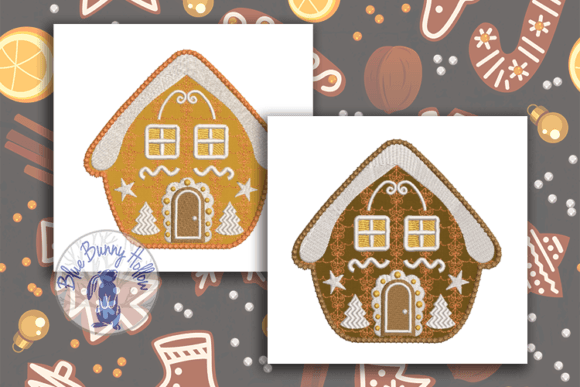
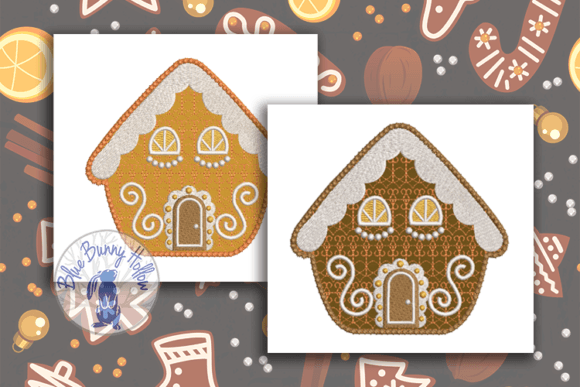
When I first loaded Gingerbread Cottage 5 onto my hoop, the immediate impression was one of warmth and rustic charm. The description highlights "intricate decorative stitches" and the specific use of white thread, which suggests a high-contrast, premium look. In the world of machine embroidery, contrast is king. White thread against darker fabrics like navy, forest green, or charcoal grey creates a striking visual pop that draws the eye from across the room. This isn’t a minimal or subtle design; it is bold, festive, and highly decorative. It feels like a centerpiece rather than a background accent, making it ideal for items where you want the customer to stop and stare.
The aesthetic leans heavily into farmhouse and cozy holiday vibes. For craft fair sellers, this mood is gold during November and December. It evokes nostalgia and comfort, emotions that drive impulse buys at weekend markets. However, because it relies on intricate details, it demands respect in terms of fabric choice and execution. It is not a quick-stitch filler; it is a statement piece.
Product Application: Where Does It Shine?
Not all embroidery files work equally well on every substrate. Based on the characteristics of Gingerbread Cottage 5, here is how I see it performing on key craft fair products:
- Tote Bags: This is perhaps the strongest application. A sturdy canvas tote bag provides a large, flat surface area that allows the intricate stitches to breathe. The white thread will stand out beautifully against natural canvas or dark denim totes. As a tote bag design, it transforms a utilitarian item into a giftable keepsake.
- Aprons and Tea Towels: Kitchen textiles are perennial best-sellers. On a tea towel embroidery project, the cottage motif adds a touch of elegance to holiday baking. For apron embroidery, place the design centrally on the bib or lower front. The density of the design adds perceived value, justifying a higher price point for your small shop product.
- Embellished Patches and Pouches: If the design size is manageable, it works exceptionally well as an embroidered patch for denim jackets or backpacks. Small fabric pouches filled with hot cocoa mix or tea bags also benefit from this level of detail, creating a cohesive, handmade gift set.
- Pillow Covers and Home Decor: For larger items, the design serves as a focal point. Ensure your hoop size can accommodate the full width without distortion. These items sit on tables and shelves, allowing customers to appreciate the texture up close.
Avoid using this design on curved surfaces like baseball caps unless you have significant experience with curved hooping and stabilizers. The intricate details may compress or lose clarity on the rounded crown of a cap. Similarly, textured fabrics like heavy terry cloth towels might obscure the finer decorative stitches, so always test on your target material first.
Production Practicality and Selling Strategy
From a production standpoint, Gingerbread Cottage 5 requires careful planning. Intricate designs often mean higher stitch counts and longer run times. For a booth display, efficiency matters. You need to balance quality with throughput. If the design takes twenty minutes per unit, your profit margins on low-priced items like coasters may suffer. However, for higher-ticket items like aprons or home decor pillows, the time investment pays off in perceived quality.
Photography is crucial for online listings and social media promotion. Because this design uses white thread, it photographs beautifully against dark backgrounds. Create a printable mockup that showcases the design on various fabric colors to help potential buyers visualize the final result. When setting up your physical booth, group similar items together. A display featuring a matching apron, tea towel, and tote bag creates a lifestyle narrative that encourages bundle purchases.
This design also lends itself well to batch production. Once you have dialed in your tension and stabilizer settings, you can produce multiple units efficiently. Just be mindful of thread breaks when working with dense areas. Keep extra bobbins and top threads on hand to minimize downtime during busy market hours.
Careful Use Notes and Technical Considerations
Before committing to mass production, there are several technical factors to consider. First, inspect the stitch density. Areas with very tight stitching can cause puckering, especially on lightweight fabrics. If you notice distortion, switch to a cut-away stabilizer or add tear-away support for temporary stability during stitching.
Thread color selection is critical. While the description mentions white thread, consider offering variations. Gold or silver metallic threads could add a luxurious twist for evening gifts, while red or green threads might appeal to those seeking traditional Christmas colors. Always check thread contrast against your chosen fabric. White on white is invisible; white on light beige may lack definition.
Also, verify the commercial licensing of the digital embroidery file before selling finished goods. Many designers offer different tiers of licenses, and understanding these terms protects your business from legal issues. Additionally, confirm the exact hoop size requirements to ensure your machine can handle the design without needing to re-hoop, which can misalign the pattern.
Designer’s Checklist for Success
- Test on Scrap Fabric: Never skip this step. Test the design on the actual fabric you plan to sell to check for puckering, color contrast, and detail clarity.
- Check Stabilizer Compatibility: Match your stabilizer to the fabric weight. Heavy fabrics need strong support; light fabrics need delicate handling.
- Create Real Mockups: Produce at least one complete sample for your booth and online photos. Customers buy what they can see and feel.
- Review Spacing: Ensure there is enough margin around the design if you are adding text or logos nearby.
- Confirm Licensing: Read the fine print regarding commercial use rights.
In conclusion, Gingerbread Cottage 5 is a versatile and visually appealing design that has strong potential for the holiday market. Its intricate nature elevates simple products into premium gifts, provided you execute it with care. By choosing the right fabrics, paying attention to stitch density, and presenting it effectively in your booth or online store, you can turn this machine embroidery design into a standout success for your handmade business.